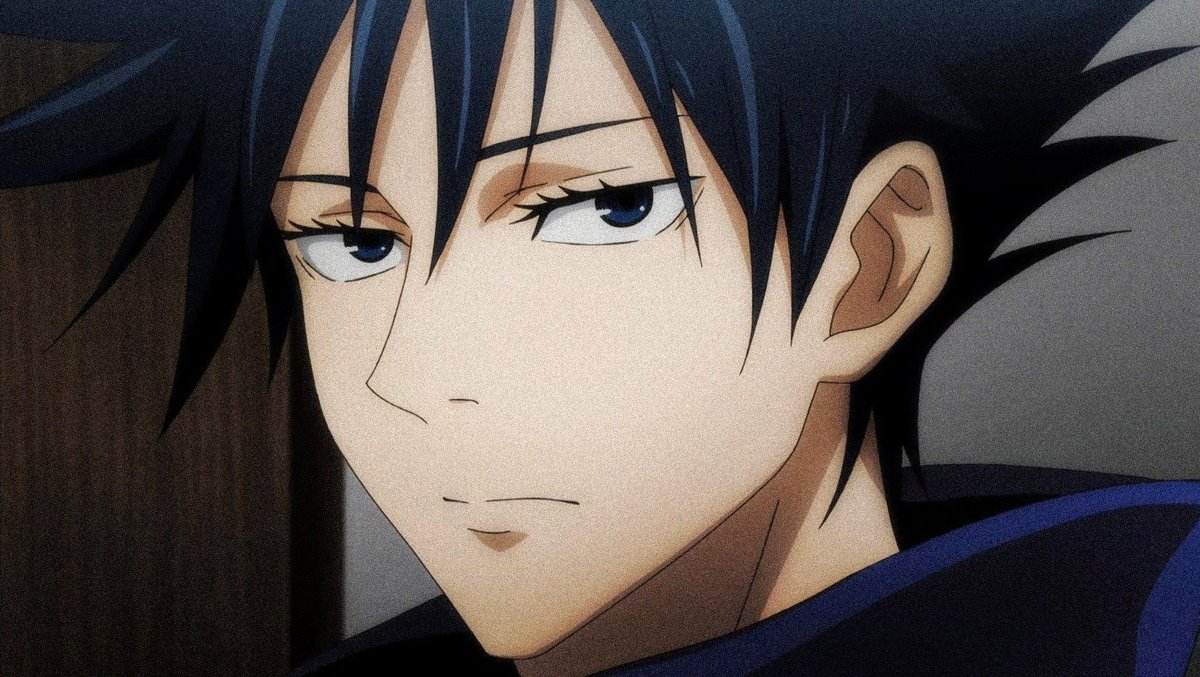
For fans diving deep into the intricate world of Oshi no Ko, the name "Megumi Fushiguro" often sparks curiosity. Let's set the record straight right from the start: Megumi Fushiguro is a beloved and iconic character, but he hails from the acclaimed manga and anime series Jujutsu Kaisen, not Oshi no Ko. He does not make an appearance in Aka Akasaka's idol-infused revenge drama.
However, if you've landed here searching for "truth revealed" in Oshi no Ko, you're likely looking for explanations surrounding its highly anticipated and, for many, controversial ending. While Megumi Fushiguro isn't part of this narrative, Oshi no Ko delivers a finale packed with dramatic confrontations, sacrifices, and the culmination of years of carefully laid plans. This Super Pillar Hub will unravel the true conclusion of the manga, addressing fan reactions and the ultimate fates of its central characters.
Prepare to navigate the emotional aftermath of "The 15 Year Lie" and discover how Aqua and Ruby Hoshino finally confronted their past.
Unpacking the Final Showdown: Aqua's Gambit
The heart of Oshi no Ko's ending revolves around Aqua Hoshino's meticulously orchestrated revenge. After years of manipulating the entertainment industry, gathering clues, and pushing boundaries, Aqua finally cornered the man responsible for his mother Ai Hoshino's death: Hikaru Kamiki. This isn't just a simple confrontation; it's the climax of a deeply personal and often morally ambiguous quest for justice.
The catalyst for this final act was the release of the film "The 15 Year Lie," a biographical masterpiece meant to expose the truth behind Ai's life and murder. This cinematic endeavor wasn't merely a film; it was Aqua's weapon, designed to draw Hikaru out and force a reckoning. Understanding its full significance is key to appreciating the ending's gravitas. For a deep dive into how this film shaped the series' conclusion, be sure to explore .
As the film's premiere unfolded, so too did Aqua's final confrontation. He directly confronted Hikaru, who shockingly confessed his involvement in Ai's murder. But Aqua had one more card to play: a DVD containing Ai's confession of genuinely loving Hikaru, a revelation that plunged Hikaru into a spiral of guilt. This moment defined and set the stage for the tragic climax.
The Web of Deceit: Unmasking the Industry's Darkness
Beyond Aqua's personal vendetta, the ending also peeled back the layers of corruption within the entertainment industry. While Aqua was focused on Hikaru, another pivotal event unfolded involving Nino, an original member of B-Komachi. In a shocking turn, Nino attempted to assassinate Ruby but mistakenly stabbed Akane, who was cleverly disguised and wearing a protective vest.
Nino's subsequent capture proved invaluable. Her confession to Ruby and Akane didn't just expose Hikaru's extensive manipulation and criminal enterprise; it also unveiled a much larger network of murder and malice plaguing the entertainment world. This revelation added a critical layer of depth to the narrative, showing the systemic issues that transcended Aqua's individual revenge plot. Discover the full scope of this unraveling conspiracy by reading .
Aqua's Ultimate Sacrifice and Ruby's Triumphant Rise
In the story's most harrowing sequence, Hikaru attempted to manipulate Aqua, suggesting that killing him would tarnish Ruby's reputation. To permanently shield his sister, Aqua made the ultimate sacrifice: he stabbed himself and, taking Hikaru with him, plummeted from a cliff into the sea. In the water, Aqua ensured Hikaru's demise by strangling him before succumbing to his own wounds and drowning.
Aqua's death, though devastating, was carefully orchestrated to protect Ruby. His body was found, and Hikaru was framed as his murderer, ensuring Ruby's future remained untainted. In his final moments, Aqua experienced a poignant dream of his past life as Gorou, seeing Sarina (Ruby's past life) survive her operation and become a successful idol. This sacrifice is a cornerstone of his character arc. Understand the full impact of .
Years after Aqua's death, Ruby Hoshino emerged as a phenomenally successful idol, now bearing white stars in both eyes—a symbol of her brother's enduring spirit and her mother's pure talent. She fulfilled Ai's lifelong dream of performing at the iconic Tokyo Dome, cementing her place as a superstar. Her journey from grieving sister to shining idol is a testament to perseverance and love. Explore to follow her remarkable transformation.
The Controversial Aftermath: Fan Reactions and Character Fates
The ending of Oshi no Ko was met with a divided reaction from fans. Many felt it was rushed and ultimately unsatisfying, arguing that Aqua's character had evolved beyond a singular focus on revenge, suggesting he should have chosen life. The abruptness of his death, despite its narrative implications, struck some as an ill-executed shock value rather than a natural conclusion to his journey.
This controversy sparked widespread discussion among the fanbase. For a deeper understanding of why this conclusion stirred so much debate, delve into .
While Aqua and Hikaru met their end, other key characters continued their lives. Akane Kurokawa, Kana Arima, and the rest of the supporting cast moved forward, carving out their own futures in the aftermath of the Hoshino family's dramatic saga. Their stories provide a sense of continuity and hope amidst the tragedy. Discover and see how their journeys concluded.
Beyond the Finale: The Enduring Legacy of Oshi no Ko
While "Megumi Fushiguro in Oshi no Ko" is a non-existent crossover, the "truth revealed" in Oshi no Ko's ending is a complex tapestry of love, revenge, ambition, and sacrifice. The series leaves an indelible mark, prompting discussions not just about its conclusion but also about the darker aspects of the entertainment industry and the intricate bonds of family. Whether you loved or debated the ending, its impact is undeniable, securing Oshi no Ko's place as a thought-provoking and unforgettable narrative.